Steakhouse Wordcloud Advertising: Strategic Visual Communication for Real-World Impact
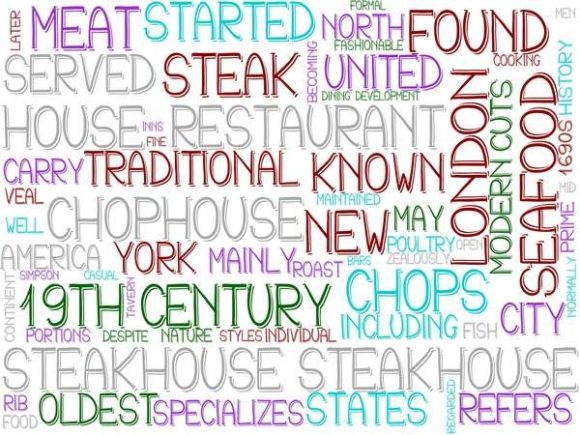
Steakhouse Wordcloud Advertising isn’t a gimmick—it’s a focused visual tool rooted in semantic density and audience resonance. Unlike generic word clouds, this variant intentionally clusters language associated with premium dining experiences: char-grilled, dry-aged, hand-cut, wood-fired, reserve list, seasonal menu, artisan butcher. When applied thoughtfully, Steakhouse Wordcloud Advertising transforms abstract brand values into scannable, emotionally anchored visuals that support concrete business goals—not just decoration.
Why This Approach Fits Real Marketing Strategy
Most foodservice brands over-invest in imagery while under-leveraging language as a design asset. Steakhouse Wordcloud Advertising reverses that imbalance. It surfaces what customers *already associate* with your offering—based on reviews, menu descriptions, staff interviews, or local search queries—and gives those terms visual weight. That’s not decoration; it’s data made legible. A well-constructed steakhouse wordcloud reflects linguistic patterns your audience uses when searching, recommending, or recalling your brand. That alignment increases message efficiency across touchpoints—from a 3-second Instagram ad to a printed table tent.
For example, a downtown Chicago steakhouse discovered through sentiment analysis that “private dining” and “wine-paired dinner” appeared far more often in high-intent bookings than generic terms like “great food.” They rebuilt their homepage banner using Steakhouse Wordcloud Advertising centered on those phrases—paired with subtle typography hierarchy and restrained color blocking. Conversion on private event inquiries rose 27% in six weeks—not because the design was flashier, but because it mirrored how serious clients actually think and speak.
Where It Adds Value—And Where It Doesn’t
Steakhouse Wordcloud Advertising works best where language carries meaning *and* differentiation matters. It strengthens:
- Branding consistency: Reinforcing core differentiators (e.g., “grass-fed,” “in-house dry aging,” “family-owned since 1982”) across business cards, menus, and social bios.
- Customer experience scaffolding: Guiding guests before they walk in—think a lobby poster that highlights “pre-theater prix fixe” and “bar-side cocktails” to set expectations and reduce friction at arrival.
- Internal alignment: Serving as a visual anchor during staff training—embedding key service language (“tableside carving,” “cut recommendations”) into breakroom posters or digital signage.
- Print and packaging clarity: On takeout boxes or gift card sleeves, a compact Steakhouse Wordcloud Advertising element can communicate value without relying on dense copy—ideal for time-constrained moments.
It doesn’t work well as a standalone campaign driver or as filler content. Slapping a wordcloud onto a flyer without anchoring it to a specific goal—like increasing weekend reservations or promoting a new whiskey flight—dilutes impact. Its power lies in reinforcement, not revelation.
How to Build One With Purpose
Start with source material—not assumptions. Pull 50–100 authentic customer reviews, recent Google My Business questions, reservation notes, or even transcripts from staff debriefs. Identify recurring nouns, verbs, and modifiers tied to experience, not just taste: “attentive server,” “quiet booth,” “perfectly seared,” “no wait for dessert.” Filter out vague praise (“amazing,” “best ever”) and prioritize terms that reflect *actionable differentiators*.
Then consider context before design:
- What decision should this influence? If it’s driving email sign-ups, emphasize “monthly tasting notes” or “first-access invites”—not “excellent service.”
- Where will it live? A magnet needs bold, minimal terms; a program booklet allows richer phrasing. Size, legibility, and contrast must serve function—not aesthetics alone.
- What’s already being said elsewhere? Avoid redundancy. If your website hero section leads with “dry-aged steaks since 1976,” don’t repeat that exact phrase in a banner wordcloud—extend it: “45-day aging,” “local beef partnerships,” “custom cuts.”
Typography matters more than shape. Choose one highly legible typeface. Vary weight—not font—to signal importance: bold for primary differentiators (“butcher shop”), medium for supporting ideas (“on-site aging room”). Avoid rainbow colors; use your brand palette deliberately—perhaps deep burgundy for heritage terms, warm gold for experiential ones.
Risks of Using It Without Strategy
A poorly grounded Steakhouse Wordcloud Advertising effort can backfire. Common pitfalls include:
- Keyword mirroring without insight: Repeating terms like “steakhouse” and “Chicago” because they’re common in SEO tools—not because they move the needle for your actual customers.
- Ignoring audience segmentation: A wordcloud built from wedding inquiries won’t resonate with corporate diners. One size rarely fits all—even within a single brand.
- Overloading visual space: Crowding 40+ terms defeats scannability. A wordcloud should be grasped in under three seconds. If it requires decoding, it’s failing its core purpose.
- Treating it as “set and forget”: Language evolves. Seasonal offerings, staffing changes, or shifts in local competition mean your wordcloud should be reviewed quarterly—not treated as permanent branding.
When used randomly, Steakhouse Wordcloud Advertising becomes visual noise. When used intentionally, it becomes a quiet amplifier—reinforcing what matters, where it matters, to the people who matter most.
Practical Applications Across Your Workflow
You don’t need a designer or budget to begin. Start small and scale with evidence:
- Invitations & programs: Embed a 3-term wordcloud (“live jazz,” “filet & cabernet pairing,” “limited seating”) beside the RSVP button—clarifying tone and exclusivity at a glance.
- Social media carousels: Use one slide per term—each with a photo, short quote, and context. “Wood-fired” shows the oven; “house-made butter” shows the churn. Turn abstraction into tangible proof.
- Staff-facing printables: A laminated counter card with “ask about our aging process,” “recommend a bold red,” and “explain the cut difference” turns language into actionable behaviors.
- Package design: For retail-ready sauces or rubs, let the wordcloud highlight origin (“Texas mesquite”), method (“small-batch smoked”), or use case (“brisket injection,” “grill finish”).
None of these require animation, interactivity, or trend-chasing. They rely on precision—not volume.
Long-Term Value Lies in Iteration, Not Perfection
Think of Steakhouse Wordcloud Advertising as a living diagnostic tool—not a final deliverable. Every time you update it based on real feedback or performance data, you deepen your understanding of how language functions in your market. Track which versions correlate with lifts in specific metrics: Does a version emphasizing “vegetarian mains” increase lunch traffic? Does shifting from “historic building” to “original oak bar” improve dwell time on your “About” page?
That kind of grounded iteration builds institutional knowledge. Over time, your wordclouds become less about decoration and more about calibration—helping you spot misalignments between what you say, what customers hear, and what they actually do.
Steakhouse Wordcloud Advertising is most powerful when it serves a clear objective, respects cognitive load, and stays rooted in real language—not marketing jargon. It won’t replace strong strategy, but it can make that strategy more visible, more consistent, and more memorable—across every surface your audience touches.