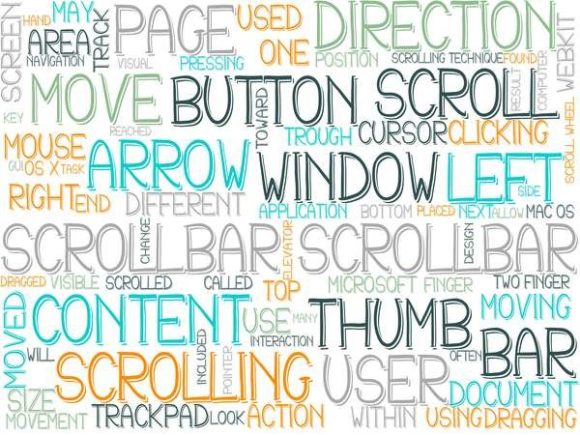
Scrollbar Wordcloud Skinny Tumbler
Imagine designing a vibrant, on-brand invitation for your small business launch—and instead of wrestling with font hierarchies or manually adjusting word sizes to reflect importance, you drop your key themes into the Scrollbar Wordcloud Skinny Tumbler. In seconds, it generates a sleek, vertically oriented word cloud that fits naturally inside narrow layouts: think slim banners, tall social media story frames, elegant business cards, or minimalist packaging side panels. It’s not just another word cloud tool—it’s built for precision in constrained spaces, where every pixel matters.
Why “Skinny” Makes a Real Difference in Design Workflows
Most word clouds default to square or wide rectangular formats—great for posters or presentations, but awkward when you need vertical rhythm. The Scrollbar Wordcloud Skinny Tumbler solves this by generating tall, narrow visualizations optimized for scrolling interfaces, narrow print margins, and modern UI layouts. Its responsive scrollbar lets designers preview and fine-tune density without cropping or distortion—especially useful when exporting for web design, UX mockups, or digital signage with fixed aspect ratios.
For example, a freelance educator creating an interactive workshop handout can embed the tumbler-generated word cloud directly into a PDF slide—keeping keywords like “collaboration,” “reflection,” and “growth” prominent without overwhelming the layout. A boutique brand launching a textile collection might use it to visualize fabric descriptors (“linen,” “hand-dyed,” “organic”) along the seam of a product tag or hangtag—where width is limited but storytelling potential is high.
From Concept to Print—Without Reformatting Headaches
Unlike generic word cloud generators, the Scrollbar Wordcloud Skinny Tumbler exports clean vector-ready SVGs and high-resolution PNGs with transparent backgrounds—no extra clipping masks or background removal needed. That means fewer steps between ideation and production, whether you’re prepping files for a local print shop, uploading assets to Canva for social media banners, or embedding into Adobe InDesign layouts for magazines or brochures.
It also respects typographic nuance: words scale proportionally based on frequency *and* maintain legibility at small sizes—critical when designing magnets, stickers, or jewelry charms where text must remain readable at 0.5 inches tall. One small business owner reported cutting their banner revision cycle in half after switching from manual word sizing to the tumbler’s algorithm, which intelligently balances prominence and spacing even with 20+ terms.
Creative Flexibility Without Compromise
The tool supports custom fonts (uploaded or system-installed), color palettes synced to brand guidelines, and adjustable weight distribution—so “community” doesn’t drown out “sustainability” just because it appears twice as often in your source text. This level of control matters most when word clouds serve functional roles: as part of a conference program’s visual index, a book’s thematic appendix, or a UX research report’s insight summary.
Consider a nonprofit compiling donor survey responses. Instead of listing open-ended answers in dense paragraphs, they used the Scrollbar Wordcloud Skinny Tumbler to visualize recurring themes along the spine of their annual impact report—a subtle yet powerful way to reinforce mission alignment without adding bulk. Educators have applied similar logic to syllabi and course roadmaps, turning learning objectives into scannable visual anchors.
Where It Fits—and Where to Pause Before Jumping In
This tool shines brightest when your project demands vertical emphasis, brand consistency, and integration across both digital and physical touchpoints. It’s especially valuable for creators who juggle multiple output formats—say, a blogger designing Instagram carousels *and* printable workshop worksheets—or a publisher developing companion materials for an e-book and its printed counterpart.
That said, it’s not ideal for highly dynamic, real-time data feeds (e.g., live social media sentiment dashboards) or projects requiring animation or interactivity beyond static export. If your goal is a rotating 3D word cloud for a trade show kiosk, other tools may be more appropriate. Likewise, if your content relies heavily on multilingual hyphenation or complex script rendering (e.g., Arabic or Devanagari), test character support early—while most Latin-based languages render flawlessly, nuanced typographic behavior varies by font and platform.
Practical Tips for Stronger Results
- Clean your source text first. Remove filler words, duplicates, and inconsistent capitalization before pasting in—the tumbler reflects what you give it, so clarity upstream improves visual hierarchy downstream.
- Use the scrollbar to audition density. Scroll slowly while previewing: too many overlapping words weakens impact; too few loses richness. Aim for 8–15 core terms in most branding or promotional contexts.
- Pair with complementary assets. Try placing the tumbler output beside a short testimonial quote or icon set—not as decoration, but as a visual echo of your message’s emotional core.
- Test readability at intended size. Zoom out to 25% in your design app or print a 2-inch sample before finalizing—what looks balanced on screen may blur or crowd in physical form.
Beyond the Obvious: Unexpected Uses That Stick
Some of the most effective applications aren’t in marketing—but in connection. A therapist created a “wellness word ladder” using the Scrollbar Wordcloud Skinny Tumbler, arranging terms like “pause,” “breathe,” “notice,” and “return” vertically on a laminated desk mat for clients. A children’s book illustrator used it to map emotional vocabulary along the edge of a storybook spread—helping young readers associate visual flow with narrative progression. Even crafters repurpose outputs as stencils for embroidery or cut files for Cricut machines, thanks to the crisp vector exports.
What ties these uses together isn’t novelty—it’s intentionality. The tumbler doesn’t replace thoughtful content strategy; it amplifies it. When your goal is to make values visible, priorities tangible, or feedback instantly graspable, this tool helps translate abstract input into anchored, shareable form—without demanding design expertise.
Final Thought: Tools Serve People, Not the Other Way Around
The Scrollbar Wordcloud Skinny Tumbler earns its place in a working creator’s toolkit not because it does everything, but because it does one thing exceptionally well: it gives vertical space meaning. Whether you're refining a logo lockup, drafting a conference program, or brainstorming textile patterns, it quietly supports decisions that align aesthetics with purpose. And in a world saturated with generic templates and auto-generated visuals, that kind of focused utility—grounded in real constraints and real outcomes—is rare. Use it where narrow dimensions meet big ideas.