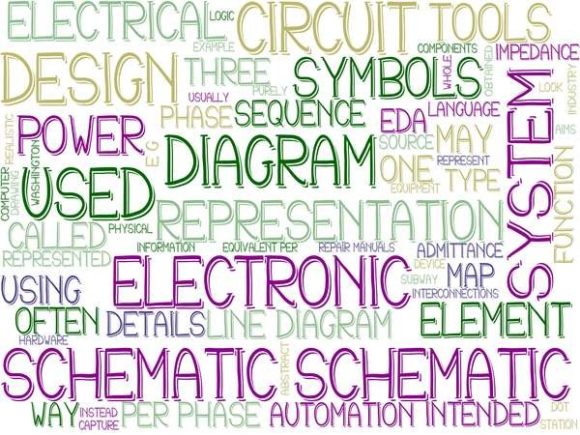
Schematic Wordcloud Wallpaper
Schematic Wordcloud Wallpaper is a purpose-built visual asset that merges structured layout logic with expressive word-based design. Unlike decorative or purely aesthetic word clouds, it’s engineered for function: clear hierarchy, intentional spacing, scalable typography, and consistent alignment—making it ideal for both digital and print applications where clarity and brand integrity matter. It’s not just about words arranged by frequency; it’s about words arranged with intent—guided by schematic principles like grid systems, modular scale, and visual rhythm.
This type of wallpaper serves as a foundational layer—not a final deliverable, but a flexible starting point. Designers use it to establish thematic anchors before building layouts. Marketers embed it into campaign frameworks to reinforce core messaging across touchpoints. Educators layer it over lesson plans to visualize learning outcomes. Small business owners apply it to packaging mockups to test how values translate visually before committing to production. Its strength lies in its adaptability: it supports planning, informs execution, and aids review—all without requiring technical expertise to adjust or repurpose.
How It Fits Into Real Workflows
Schematic Wordcloud Wallpaper integrates most effectively when treated as a connective tool—not an isolated graphic. For example, during the early stages of a branding project, a freelancer might generate a Schematic Wordcloud Wallpaper using client-approved keywords (e.g., “trusted,” “innovative,” “handcrafted,” “sustainable”). That cloud then becomes part of a mood board, referenced while selecting color palettes, choosing typefaces, and drafting tone-of-voice guidelines. Later, the same cloud can be resized and embedded directly into a social media banner or adapted into a pattern for textile design—maintaining conceptual continuity from strategy to output.
In publishing workflows, editors use it to map chapter themes before writing begins. A nonfiction author developing an e-book on productivity might build a Schematic Wordcloud Wallpaper around terms like “focus,” “systems,” “energy,” and “review”—then refer back to it when structuring sections or evaluating whether a draft stays on-message. Similarly, educators designing a workshop on inclusive leadership might generate one from participant survey responses, then use it to shape slide decks, handouts, and reflection cards—ensuring every material echoes the group’s shared language.
Practical Implementation Across Mediums
The versatility of Schematic Wordcloud Wallpaper comes from its intentional neutrality: it avoids stylistic extremes (no forced gradients, no distracting animations, no opaque overlays), so it works equally well behind text in a brochure or as a subtle background on a business card. Here’s how it functions across common use cases:
- Promotions & Advertising: Layer it under bold headline copy in email banners—its structure ensures readability stays high even at small sizes.
- Printables & Scrapbooking: Use vector versions to cut cleanly with craft machines; the schematic spacing prevents crowding when scaled down to sticker size.
- Branding & Packaging: Apply it as a repeat pattern on product labels or book spines—consistent alignment keeps repetition legible and professional.
- Web & UX Design: Export as SVG for responsive backgrounds; its clean lines render crisply on all screen densities without bloating file size.
- Home Décor & Textiles: Convert to high-res TIFF for fabric printing—grid-based word placement avoids awkward cropping when tiled across curtains or wallpaper rolls.
For best results, always start with your core message—not aesthetics. Ask: What three to five concepts must this piece communicate, regardless of format? Build the Schematic Wordcloud Wallpaper around those, then test it at multiple scales and contexts before finalizing fonts or colors.
Compatibility and Integration Tips
Schematic Wordcloud Wallpaper works seamlessly alongside standard tools. In Adobe Creative Cloud, open the layered PSD or AI file to adjust individual word positions without breaking alignment. In Figma or Sketch, use the provided auto-layout components to swap terms while preserving spacing rules. For Canva users, download the PNG with transparent background and drop it into templates—it resizes cleanly and won’t distort text weight.
When collaborating, share the source file alongside a brief usage guide: specify which layers are editable (e.g., “Words” vs. “Grid Overlay”), note minimum safe scale (e.g., “Do not reduce below 400px wide for print”), and flag any reserved zones (e.g., “Leave top 15% clear for logo placement”). This reduces revision rounds and keeps output consistent across teams.
It also pairs well with content planning tools. Paste your Schematic Wordcloud Wallpaper into Notion or Airtable next to campaign timelines—use it as a visual checkpoint. If a new flyer draft feels off-brand, compare its dominant visual weight against the cloud: does it emphasize the right ideas? Does the hierarchy match? That quick alignment check often catches missteps before they reach stakeholders.
Long-Term Usability and Quality Control
A well-designed Schematic Wordcloud Wallpaper holds up over time because it’s built on principles—not trends. Avoid embedding time-sensitive references (e.g., “2024 Collection”) directly into the cloud itself; instead, keep those as separate overlay elements. That way, the base asset remains reusable across years, seasons, or product lines.
For consistency across projects, maintain a master version with version numbers and change logs. Note when terms were added or weighted differently—and why. Over time, this log becomes a useful artifact: it reveals how messaging priorities have evolved, which helps inform future strategy sessions or brand audits.
Also consider accessibility early. Ensure contrast ratios meet WCAG 2.1 AA standards between word color and background—even if the cloud is meant to be subtle. Test readability with screen readers by adding descriptive alt text (“Schematic Wordcloud Wallpaper highlighting core values: clarity, collaboration, precision, growth”). These small steps prevent rework later and broaden audience reach.
Getting Started Without Overcomplicating
You don’t need a full design suite to begin. Start with a free tool like Inkscape or Vectr to open the SVG version and replace placeholder words. Focus first on order and proportion—not perfect kerning. Move larger, more important terms toward the center or top third. Keep line lengths balanced. Then step back: does the visual flow support the intended message, or does it compete with it?
If you’re integrating it into a larger system—say, a brand style guide—assign each major term a corresponding hex code and font weight. That turns the cloud from a static image into a living reference: “Innovation = #2A5C8B, Bold, 24pt.” Suddenly, it’s not just decoration—it’s part of your brand’s operational language.
Finally, remember that Schematic Wordcloud Wallpaper gains value through reuse—not novelty. The same cloud used across a conference program, speaker cards, and post-event thank-you emails reinforces cohesion far more than custom graphics for each item. Consistency isn’t repetition; it’s recognition. And recognition builds trust, faster.