Board Games Typography Print: A Vibrant Word Cloud for Creative Expression
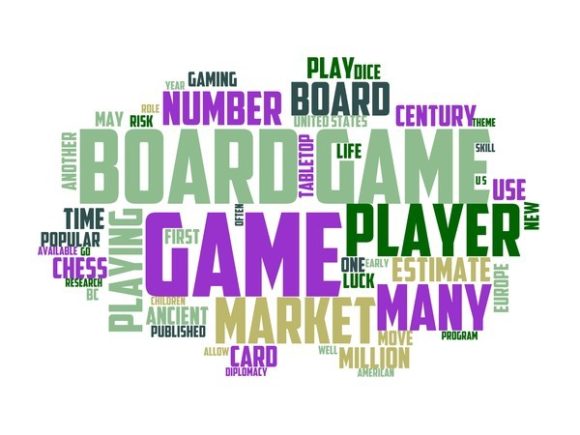
Imagine a burst of color, energy, and meaning—hand-drawn letters swirling together like confetti at a celebration of play, strategy, and connection. That’s the essence of Board Games Typography Print: a beautifully crafted, hand-illustrated word cloud designed not just to be seen, but to be used, shared, and made your own. Whether you're designing a custom t-shirt for your game night crew, printing an inspirational poster for your classroom, or crafting limited-edition coasters for a board game café, this versatile typographic artwork bridges creativity and function in ways that resonate deeply with makers, educators, entrepreneurs, and everyday enthusiasts.
What Exactly Is a Board Games Typography Print?
At its core, a Board Games Typography Print is a curated, visually rich arrangement of words—each chosen to evoke the spirit, values, and joy of tabletop gaming. Think terms like “strategy,” “cooperation,” “imagination,” “roll,” “quest,” “laugh,” “win,” “teamwork,” “story,” and “play.” Unlike generic word clouds generated by algorithms, this version is hand-drawn—giving it warmth, personality, and artistic intention. Its colors are vibrant yet harmonious; its layout is dynamic but balanced; and its typography varies intentionally—some words bold and commanding, others delicate and playful—to guide the eye and invite exploration.
This isn’t clip art. It’s a design asset—a ready-to-use visual toolkit grounded in authenticity and craftsmanship. Created by illustrators who love board games, it reflects real human experience: the thrill of a perfect dice roll, the satisfaction of solving a puzzle together, the quiet focus of planning your next move.
Why Hand-Drawn Typography Matters Today
In an age saturated with AI-generated graphics and cookie-cutter templates, hand-drawn typography stands out—not just aesthetically, but emotionally. Studies in cognitive psychology suggest that people perceive hand-crafted visuals as more trustworthy, relatable, and memorable. When you print this word cloud on a notebook or stitch it onto a tote bag, you’re not just adding decoration—you’re communicating care, intention, and humanity.
That authenticity fuels connection. A teacher using it on classroom posters signals enthusiasm for collaborative learning. A small business owner featuring it on packaging tells customers, “We value creativity, community, and thoughtful design.” Even hobbyists printing it on fabric for DIY pillow covers aren’t just decorating—they’re expressing identity and passion.
Endless Applications: From Playrooms to Profitable Products
The true power of this board games typography print lies in its adaptability. Designed with commercial and personal use in mind (with proper licensing), it seamlessly integrates into dozens of creative and professional contexts. Here’s how:
- Clothing & Accessories: Print it on t-shirts, hoodies, socks, or enamel pins for game stores, conventions (like Gen Con or PAX), or fan communities.
- Home Décor & Textiles: Scale it for wall art, embroider it onto throw pillows, or adapt it for quilt patterns and tea towels.
- Promotional Materials: Use it in banners for local game nights, flyers for library programs, or digital ads for crowdfunding campaigns.
- Stationery & Paper Goods: Feature it on greeting cards (“Happy Game Night!”), bookmarks, stickers, magnets, and printable planners.
- Educational Tools: Teachers incorporate it into lesson plans about vocabulary building, narrative structure, or social-emotional learning through cooperative play.
- Product Packaging & Branding: Indie board game designers use it in box inserts, rulebook headers, or logo variations to reinforce brand voice.
- Digital & Print Publications: Editors feature it in indie magazines, e-books about game design, or newsletters celebrating tabletop culture.
Importantly, it works across mediums—from high-resolution print (300 DPI for crisp posters) to web-optimized PNGs (for social media banners or Etsy listings). Its vector-friendly foundation means it scales infinitely without losing clarity—perfect for everything from tiny jewelry charms to massive trade show backdrops.
Common Misconceptions—Clarified
Misconception #1: “It’s only for gamers.”
While rooted in board game culture, the themes it celebrates—collaboration, critical thinking, storytelling, joy, patience—are universally human. Therapists use similar visuals in expressive arts sessions; HR departments adopt them in team-building workshops; libraries display them during literacy weeks.
Misconception #2: “Typography prints are just decorative—I can’t really ‘use’ them.”
This couldn’t be further from the truth. Unlike static images, typography-based designs are inherently functional. Words carry meaning—and when arranged thoughtfully, they spark conversation, reinforce messages, and support goals (e.g., “curiosity” and “explore” on a science camp flyer).
Misconception #3: “I need design skills to make it work.”
Not at all. Most versions come with layered PSD files, editable SVGs, and clear usage guides—even beginners can drag-and-drop into Canva or adjust colors in Affinity Designer. Many creators report going from download to finished product in under an hour.
How This Fits Into Modern Creativity & Commerce
In today’s hybrid world—where remote collaboration meets tactile hobbies, and digital marketing coexists with artisanal craft—the board games typography print embodies a meaningful convergence. It supports:
- The Rise of Purpose-Driven Brands: Consumers increasingly favor businesses that reflect shared values. Using authentic, hand-crafted visuals communicates sincerity—not just style.
- The Maker Movement: Platforms like Etsy, Instagram, and TikTok have empowered individuals to turn passion into income. This print serves as a foundational element for scalable, on-brand product lines.
- Educational Innovation: As schools emphasize SEL (Social-Emotional Learning) and project-based learning, visual language tools help students articulate abstract concepts like empathy or resilience—through the familiar, low-stakes lens of play.
- Mental Wellness Trends: Board gaming is widely recognized for reducing stress and fostering connection. Displaying related words in living spaces or work environments subtly reinforces those positive associations.
A Real-World Example: From Concept to Community
Take “The Roll & Read Book Club”—a Toronto-based initiative blending literacy and tabletop gaming for middle-schoolers. They licensed the board games typography print to create custom reading logs, classroom posters, and parent handouts. Within three months, participation rose by 42%, and teachers reported students referencing words like “choose,” “decide,” and “together” during discussions—not because they were taught definitions, but because the words lived visibly in their space. That’s the quiet power of intentional typography.
Getting Started: Tips for Your First Project
Ready to bring this word cloud to life? Here’s how to begin—with confidence and creativity:
- Start small: Try printing a single word (“play”) on a sticker or notebook cover before scaling up.
- Match context to color: Use warm tones (oranges, yellows) for energetic applications (party invites); cooler palettes (teals, purples) for calm, reflective uses (meditation journals or library displays).
- Layer meaning: Combine the word cloud with photos of real people playing—or add handwritten notes around the edges for a scrapbook feel.
- Respect licensing: Always verify permitted uses (e.g., physical products vs. digital resale) and credit the creator if required—it’s part of honoring the craft behind the art.
Remember: great design doesn’t shout. It invites. It resonates. And when it’s rooted in something as joyful and timeless as board games, it becomes more than decoration—it becomes a quiet celebration of what brings us together.
So whether you're sketching ideas in a notebook, launching a Kickstarter, teaching your first class, or simply choosing a new mug for your morning coffee—let the board games typography print remind you: every word matters, every choice counts, and every game begins with a shared “yes.”