Algebra Typography Tumbler: Where Mathematical Precision Meets Expressive Design
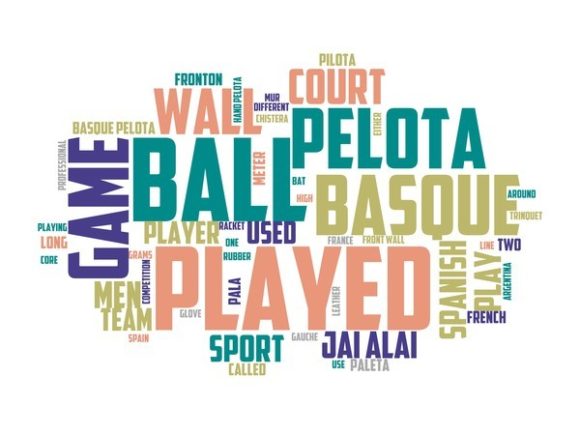
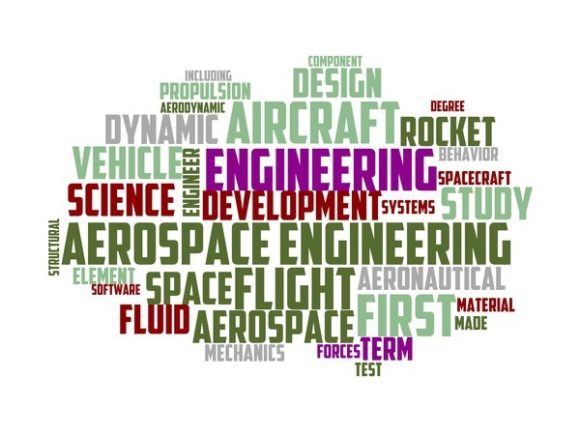
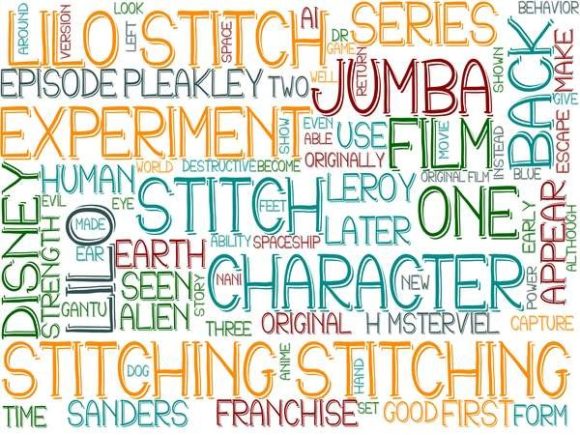
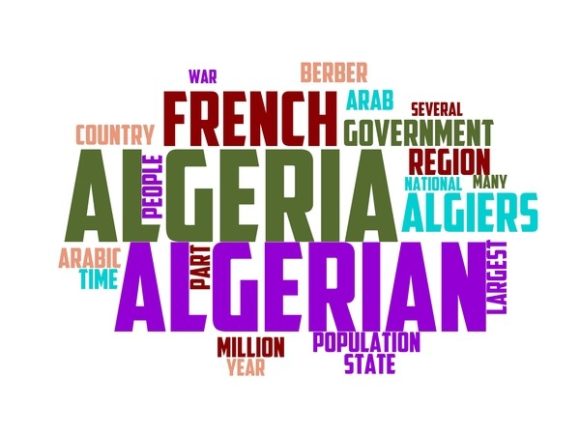
At first glance, Algebra Typography Tumbler sounds like a paradox—a fusion of rigid symbolic logic and fluid visual storytelling. Yet that’s precisely its power. It’s not a calculator or a font family in the traditional sense. Instead, it’s a meticulously crafted, hand-drawn colorful wordcloud built on typographic discipline, mathematical rhythm, and intentional compositional balance. Designed for versatility and emotional resonance, it bridges analytical thinking with creative expression—making it indispensable for professionals who design not just for aesthetics, but for impact.
A New Kind of Design Asset for Purpose-Driven Creators
The Algebra Typography Tumbler is more than decorative typography—it’s a system. Each word is placed with spatial intentionality, echoing proportional relationships found in algebraic structures: symmetry, scaling, iteration, and variable-weight distribution. Letters don’t float arbitrarily; they orbit conceptual centers, cluster by semantic affinity, and scale according to contextual hierarchy—all while retaining the warmth and authenticity of hand-drawn execution.
This duality—rigorous structure wrapped in organic charm—resonates deeply with today’s creative professionals. In an era saturated with AI-generated uniformity and algorithmically optimized templates, designers, marketers, and entrepreneurs are actively seeking assets that feel human-made, thoughtfully composed, and meaningfully layered. The Algebra Typography Tumbler answers that need—not as a trend, but as a timely recalibration toward intentionality in visual communication.
Fitting Into the Broader Creative Economy
Consider the macro shifts shaping how visual assets are created, licensed, and deployed:
- Rise of multi-channel brand ecosystems: A single campaign now spans social media graphics, limited-edition apparel, event signage, digital newsletters, and physical retail touchpoints. Assets must be adaptable across scales, substrates, and contexts—without losing coherence or emotional fidelity.
- Growth of creator-led commerce: From Etsy artisans to indie publishers and boutique studios, professionals increasingly handle end-to-end production—from concept to print-ready file. They need design elements that integrate seamlessly into existing workflows (Adobe Creative Suite, Canva, Procreate) and translate reliably across print and digital outputs.
- Consumer demand for authenticity: Research consistently shows audiences respond more strongly to visuals perceived as handmade, curated, or conceptually grounded—even when used commercially. The hand-drawn quality of the Algebra Typography Tumbler signals care, craft, and narrative depth, distinguishing brands from generic stock alternatives.
In this landscape, the Algebra Typography Tumbler functions as both a foundational element and a flexible catalyst. Its colorful, non-linear layout invites reinterpretation: cropped tightly for a business card monogram, enlarged for a textile repeat pattern, or deconstructed into individual words for layered sticker sheets. That adaptability isn’t accidental—it’s engineered into its DNA.
Why Professionals Are Choosing It Now
Three converging factors explain the growing adoption of Algebra Typography Tumbler among serious creators:
- Workflow efficiency without compromise: Unlike custom illustration commissions—which require briefing, revision cycles, and extended timelines—the Algebra Typography Tumbler delivers studio-grade visual sophistication “out of the box.” Designers integrate it directly into layouts for posters, packaging, or e-book chapter headers—saving hours while preserving artistic integrity.
- Strategic differentiation in crowded markets: Whether launching a mindfulness journal, a STEM education startup, or a sustainable fashion line, standing out demands more than color palettes and clean fonts. The mathematical underpinning of the tumbler subtly reinforces themes of balance, logic, growth, and interconnectedness—aligning visual language with brand values in ways that resonate cognitively and emotionally.
- Future-ready scalability: Because it’s delivered as high-resolution vector and PNG files—with transparent backgrounds and layered PSD options—it supports emerging applications: AR-enabled packaging labels, embroidery digitization for apparel, or generative design experiments where word positioning responds to real-time data inputs.
Real-World Applications Across Industries
Its versatility isn’t theoretical—it’s being validated daily across disciplines:
- Education & EdTech: Curriculum designers use the Algebra Typography Tumbler to visualize thematic units—e.g., clustering terms like “hypothesis,” “data,” “pattern,” and “conclusion” around a central “Inquiry” node—transforming abstract learning objectives into tangible classroom posters or interactive digital whiteboard assets.
- Social Impact Campaigns: Nonprofits building awareness around mental health or climate resilience deploy it in invitation suites and rally banners. The hand-drawn warmth disarms skepticism, while the structured composition conveys credibility and clarity—critical when communicating complex ideas to broad audiences.
- Product Packaging & Retail: Small-batch skincare brands apply scaled-down versions to product tags and box liners. The interplay of color, texture, and word density creates tactile interest under shelf lighting—and performs equally well in Instagram flat-lays, where visual cohesion across product lines strengthens brand recognition.
- Professional Development: Coaches and consultants embed phrases like “clarity,” “agency,” and “resilience” into presentation decks and workshop workbooks. Because the tumbler avoids clichéd motivational tropes, it feels grounded—not aspirational wallpaper—but a genuine reflection of process-oriented growth.
Designing With Intention, Not Just Decoration
What separates the Algebra Typography Tumbler from conventional wordcloud generators is its rejection of randomness. Standard tools weight words by frequency alone, often producing visually chaotic, semantically shallow results. This version prioritizes relationship: proximity implies connection, size signals emphasis, color grouping suggests categories, and negative space guides the eye deliberately.
For marketers crafting campaign narratives, that means every visual decision reinforces messaging strategy. For textile designers developing fabric prints, it means seamless scalability without pixelation or layout collapse. For educators designing inclusive learning materials, it means legibility at multiple sizes and contrast-compliant color combinations that meet WCAG 2.1 AA standards.
It also reflects a broader maturation in digital asset expectations. Users no longer ask, “Does this look nice?” They ask, “Does this support my goals? Can I modify it responsibly? Does it scale ethically across platforms?” The Algebra Typography Tumbler meets those questions head-on—not through marketing claims, but through thoughtful architecture.
Looking Ahead: Craft, Code, and Context
As generative tools proliferate, the value of human-crafted, context-aware design assets only increases. The Algebra Typography Tumbler doesn’t resist technology—it anticipates it. Its vector foundation ensures compatibility with AI-assisted layout tools; its semantic organization makes it ideal for metadata-rich digital asset management systems; and its hand-drawn origin preserves the irreplaceable nuance that algorithms still struggle to emulate authentically.
More importantly, it reflects a quiet but significant shift in professional priorities: away from speed-at-all-costs, and toward sustainable creativity—where efficiency serves meaning, not replaces it. When a freelance designer selects this tumbler for a client’s rebrand, they’re not just choosing a graphic. They’re choosing clarity over clutter, resonance over repetition, and craft over convenience.
That’s why it appears on everything from limited-run ceramic mugs sold at design fairs to keynote slides presented at global innovation summits. It works because it was built for use, not just display—designed to live in the world, not just on a screen.
If you’re building something meaningful—whether it’s a new product line, a community initiative, or a personal creative practice—the Algebra Typography Tumbler offers more than visual flair. It offers alignment: between idea and image, effort and outcome, discipline and delight. And in today’s fast-moving, high-stakes creative economy, that kind of alignment isn’t optional. It’s essential.